


LumaFusion: Pro Video Editing
4.1263.00 Reviews
App Specs
- Version
- 2.7.0
- Updated On
- License
- $29.99
- Downloads
- 50,000+
- Developer
- LumaTouch
- Categories
- Video Players & Editors
- Platform
- Android, iOS
Screenshots
 Analysis by AppCompare
Hey there! So, I’ve been diving into the world of video editing on mobile, and I stumbled upon LumaFusion: Pro Video Editing. Let me tell you, this app is a game changer if you're into creating videos on the go. It's like having a mini editing studio right in your pocket!
Who benefits from this kind of editing setup?
I’d point LumaFusion toward people who regularly need more control than a quick trim-and-share editor provides: independent creators, students working on video projects, journalists assembling clips in the field, and anyone who wants to shape several sources into one finished piece. LumaTouch makes it as a video editing app, and its reputation is reflected in an average rating of 4.3 from around 2.8 thousand ratings, with over 50 thousand installs. Those figures suggest a substantial audience, though they don’t tell you whether its workflow will suit your hands, device, or editing habits.
It is a paid app at $29.99, with in-app purchases ranging from $9.99 to $69.99 per item. I’d treat that as a commitment rather than an impulse download: the purchase makes most sense if you expect to return to editing projects, not if you only need to crop a clip once in a while. It is rated for Everyone, was released on February 20, 2023, and the current version is 2.5.6, with Android 10 as the minimum OS. Before buying, check that your device meets that requirement and consider how much editing you genuinely plan to do.
Getting Started with LumaFusion
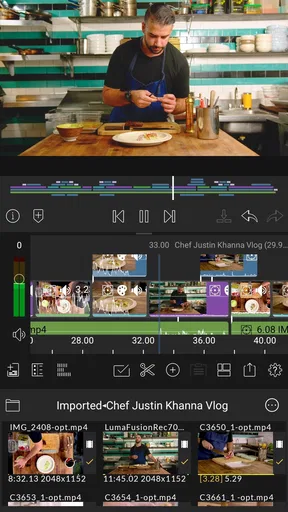
First things first, downloading LumaFusion is a breeze. Available on both Android and iOS, it’s super accessible. Once you open the app, you’re greeted with a sleek and intuitive interface. The layout is pretty straightforward, which is great for beginners, but it also packs enough punch for seasoned editors.
User Interface & Experience
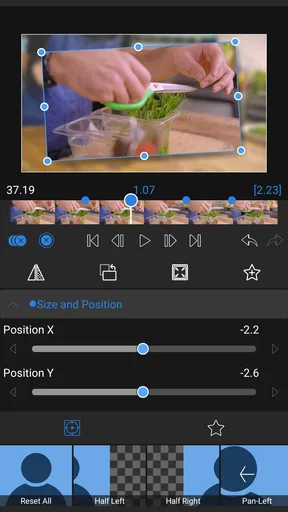
The user interface is clean, with a dark theme that’s easy on the eyes. You’ve got your timeline at the bottom, which is where the magic happens. Dragging and dropping clips is super smooth, and the ability to pinch to zoom in and out of the timeline makes editing precise. It didn’t take long before I was snipping and trimming clips like a pro.
One thing I noticed right away is how responsive the app is. There’s minimal lag, which makes the whole editing process feel seamless. The app supports up to six video and audio tracks, so you can get pretty complex with your edits.
Readability, navigation, and control
A dark interface can be comfortable when I’m editing in a dim room, but readability is personal: a dark theme is not automatically easier for everyone. In a bright place, glare and reflections can matter more than the interface color, so I’d test the screen at the locations where I actually plan to work. The timeline’s visual density also changes as a project grows. A short clip is easy to scan; a layered sequence needs more deliberate zooming and selection.
Worth Reading Before You Choose

EA SPORTS FC Mobile 26 Is a Bigger Football Game, but It Takes Time

Flipboard Shows What News Apps Must Do Beyond the Feed

Switching to Android Auto Means Rethinking Your Driving Routine

Google Calendar Makes a Crowded Week Easier to Manage

Ludo King Makes the Most of the Minutes Between Plans

Baby Panda World Brings Quick Play to Modern Phones, but Its Game Library Feels Busy
For precise work, I find it helps to separate the first pass from the detail pass. I can assemble the story with broad clip moves, then zoom in only when tightening a cut or aligning sound. That avoids repeatedly pinching around a crowded timeline and reduces accidental edits. If touch targeting is difficult, a project with fewer simultaneous layers is usually easier to navigate than one that uses every track. The six-track capacity is useful headroom, not a requirement to fill the timeline.
Features That Stand Out
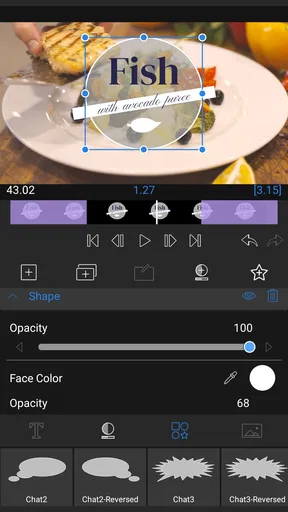
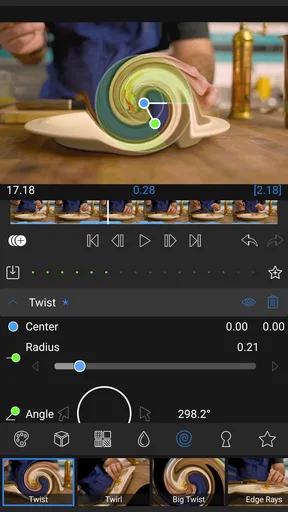
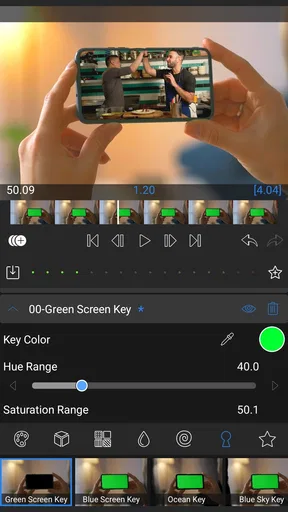
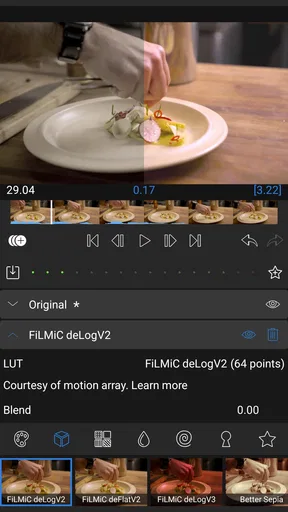
Now, let’s talk about the features. LumaFusion offers a plethora of tools that you’d expect from a desktop editing software. You can adjust colors, add effects, and even work with green screen footage. The color correction tools are particularly impressive, giving you the ability to tweak your footage to perfection.
The app also comes with a range of transitions and effects. Whether you’re looking to add a simple dissolve or something more dramatic, it’s all there. Plus, the real-time preview is a lifesaver, letting you see exactly how your edits will look without any rendering delays.
A more deliberate, inclusive editing workflow
For color work, I’d make adjustments while comparing shots that will appear next to each other, rather than trying to make each clip look impressive on its own. A balanced sequence is often easier to follow than one with abrupt shifts in brightness or color. If visual detail is difficult to judge on a small display, I’d keep the correction modest and check the finished export on the screen where viewers are most likely to watch it.
Green screen work is another case where restraint helps. The tool can be useful for a planned background replacement, but the result still depends on the footage and the care taken with the edit. I would not choose a complex effect simply because it is available; a clean cut or simple dissolve can communicate more clearly, and it leaves less visual motion for viewers who are sensitive to busy transitions. The same applies to effects: preview them in context, not just on a single clip.
Editing & Exporting
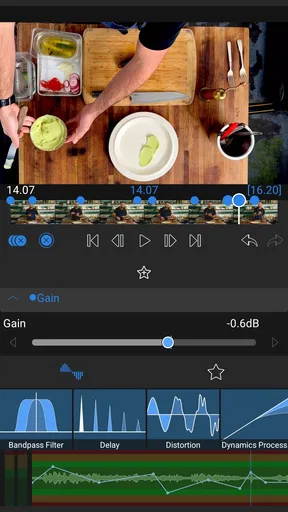
Editing audio is a breeze, with options to adjust levels, add effects, and even mix multiple audio tracks. Syncing audio from an external source was straightforward, which is a big win if you’re serious about sound quality.
When it comes to exporting, LumaFusion doesn’t disappoint. You can export your projects in a variety of formats and resolutions, including 4K. The export process is quick, and the quality of the output is top-notch. Plus, you can easily share your creations on social media or save them to your device.
Sound, pacing, and everyday access
For an interview or a short report, I’d listen to the audio before adding music or effects. Clear speech is more useful than a polished soundtrack, especially for viewers who rely on spoken information. Keeping dialogue on a separate track from background sound also gives me a practical way to adjust their balance independently. When recording in a noisy place, headphones can help me catch problems that are easy to miss through a device speaker.
A realistic mobile workflow might be filming a few short clips during the day, then assembling them into a concise update on the way home. I’d first choose the strongest moments, arrange them in story order, and only then trim pauses and add a title or transition if the project needs one. This staged approach makes editing manageable in short sessions and helps avoid the fatigue of trying to perfect every shot at once. For accessibility in the finished video, I’d also check that important information is not conveyed only through color or a quick visual cue.
Exporting is the point where I’d plan for the audience rather than automatically choosing the largest option. A high-resolution file can be useful when image detail matters, but a social post or quick message may not need it. I’d leave time to review the exported version, since a timeline preview is not a substitute for checking the final file and confirming that the sound, framing, and pacing still work together.
Where it fits beside simpler editors
Compared with the basic editors commonly built around quick trimming, automatic templates, or one-tap sharing, this app is more appealing when I want to control the order, timing, sound, and look of a piece. That control is valuable for a multi-scene story, a recorded lesson, or a report that needs separate narration and location audio. It also asks more of me: there are more choices to learn, and a layered timeline can feel like unnecessary work for a clip that only needs a beginning and an ending.
I would choose a simpler editor when speed matters more than fine control, especially for casual posts that rely on ready-made layouts. I’d also avoid a phone-sized workflow if I needed to manage a long, highly layered production for hours; a larger editing setup may be easier to inspect and control. The mobile format is a genuine convenience, but it does not erase the limits of working on a small touch screen or make every project comfortable away from a desk.
What Makes It Unique?
What sets LumaFusion apart from other mobile editing apps is its professional-grade features combined with an easy-to-use interface. It’s powerful enough for professional editors but intuitive enough for beginners. The ability to edit on the go without sacrificing quality is what makes this app a must-have.
For content creators, journalists, or anyone who needs to edit video quickly and efficiently, LumaFusion is a fantastic option. It’s not just about cutting clips; it’s about having the freedom to create stunning videos wherever you are.
Remaining barriers and practical trade-offs
Despite the approachable layout, I would not call a multi-track editor effortless for everyone. Small touch targets, timeline density, and the need to make repeated fine adjustments can be tiring or difficult, particularly for someone with limited dexterity or visual fatigue. I’d start with a short test project before committing to a complicated edit, and I’d use fewer layers until the controls feel dependable. A larger screen, when available, can make it easier to inspect the sequence, but it does not change the basic need for precise editing decisions.
There is also a learning curve hidden in the freedom to adjust so many parts of a video. Beginners may spend more time deciding how to edit than actually assembling their story. I find it useful to set a clear goal before opening a project: for example, a one-minute recap with a few shots and clean speech. That constraint makes it easier to learn the timeline without getting lost in effects or color adjustments. If editing is an occasional chore rather than a hobby or regular task, the upfront cost and extra controls may not be worthwhile.
Final Thoughts
All in all, LumaFusion: Pro Video Editing is a powerhouse of an app. Whether you’re creating a vlog, a short film, or just editing some home videos, this app provides all the tools you need in a portable format. It’s definitely worth a try if you’re serious about mobile video editing.
So, if you’re ready to elevate your video editing game, give LumaFusion a spin. You might just find it becomes your go-to app for all things video.
Who should choose it?
My recommendation comes down to how often you edit and how much control you want. If you regularly combine video and audio, refine color, or build a story from several clips, the track-based workflow can justify the learning time and cost. If you mainly want automatic edits, templates, or the fastest possible route from recording to posting, a simpler alternative is likely a better fit. Neither approach is inherently better; the right choice depends on whether you value control or convenience for the project in front of you.
For anyone who is unsure, I’d decide by trying to describe the next video they actually need to make. If it requires carefully placed cuts, layered sound, or a consistent look across scenes, this app has a clear purpose. If it is just a quick crop, there is little reason to pay for a deeper editing environment. That distinction is more useful than choosing an editor because it sounds professional.
My inclusive verdict
I see this as a capable option for people who want detailed mobile editing and are comfortable learning a hands-on timeline. Its strengths are most meaningful when a project needs intentional cuts, separate audio work, or thoughtful visual adjustments. Its main compromises are the cost, the learning curve, and the physical demands of precise touch editing on a compact screen. I would recommend it to a creator who will use those controls, while encouraging anyone with different visual, motor, or sensory needs to test a small project and check the workflow in their own setting before relying on it for important work.
Pros
- User-friendly interface for easy navigation.
- Supports multiple video formats seamlessly.
- Advanced editing tools for professionals.
- Real-time preview without rendering delays.
- Regular updates with new features.
Cons
- Requires a powerful device for optimal performance.
- Limited free version features.
- Occasional app crashes reported.
- No direct social media sharing options.
- High learning curve for beginners.
FAQs for LumaFusion: Pro Video Editing
What is LumaFusion and who is it best suited for?
LumaFusion is a professional video editing app designed for both iOS and Android devices. It offers a wide range of advanced editing tools, making it ideal for filmmakers, journalists, and content creators who need to edit videos on the go. Its intuitive interface and powerful features cater to both beginners and seasoned professionals.
What features does LumaFusion offer for video editing?
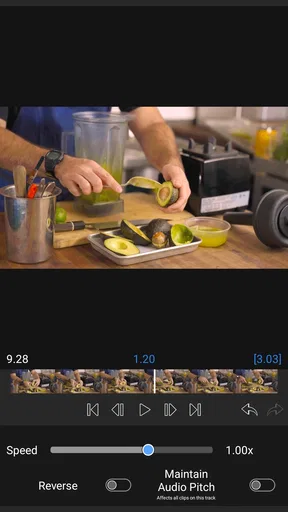
LumaFusion provides a comprehensive suite of features, including multi-track editing, color correction, audio mixing, and effects layering. It supports up to six video and audio tracks, allowing for complex editing projects. The app also offers a magnetic timeline, slow-motion effects, and a wide range of transitions and titles to enhance your videos.
Is LumaFusion compatible with all devices?
LumaFusion is compatible with most modern iOS and Android devices. However, due to its resource-intensive nature, it performs best on newer models with powerful processors and ample RAM. It's recommended to check device compatibility and ensure your system meets the app's requirements for optimal performance.
Does LumaFusion offer any cloud integration or sharing options?
Yes, LumaFusion supports cloud integration, allowing users to easily import and export media files via popular cloud services like Dropbox, Google Drive, and OneDrive. The app also supports direct sharing to social media platforms such as YouTube and Vimeo, making it convenient to publish your edited videos directly from the app.
Are there any costs associated with using LumaFusion?
LumaFusion is a premium app, meaning it requires a one-time purchase fee. This cost grants you access to all its features without the need for a subscription. While it may seem pricey compared to some other apps, the extensive editing capabilities and professional-grade features justify the investment for serious video editors.


